How to get fair skin naturally: natural home remedies and face packs to get flawless and fair skin Do you want to flaunt a fair and flawless skin? Fair and flawless complexion is a dream for many girls out there. Though you might not be born with flawless skin, but there are a lot of fairness creams and lotions that promise you fairer and flawless skin, there are a lot of natural home remedies that you can try instead of these chemical laden concoctions. Though we are not suggesting that fair skin in general is superior than dark skin, but we are simply sharing with you a list of home remedies that you can use in order to get a healthy and glowing complexion. These home remedies will help you to get rid of tan and pigmentation, leaving you with a fair and flawless skin. Here is a list of quick skin lightening home remedies for fair skin. 1. Tomato: Tomato contains lycopene, which protects you against the sun and helps to reduce sun tan instantly. Tomat...
8 tips for healthy eating
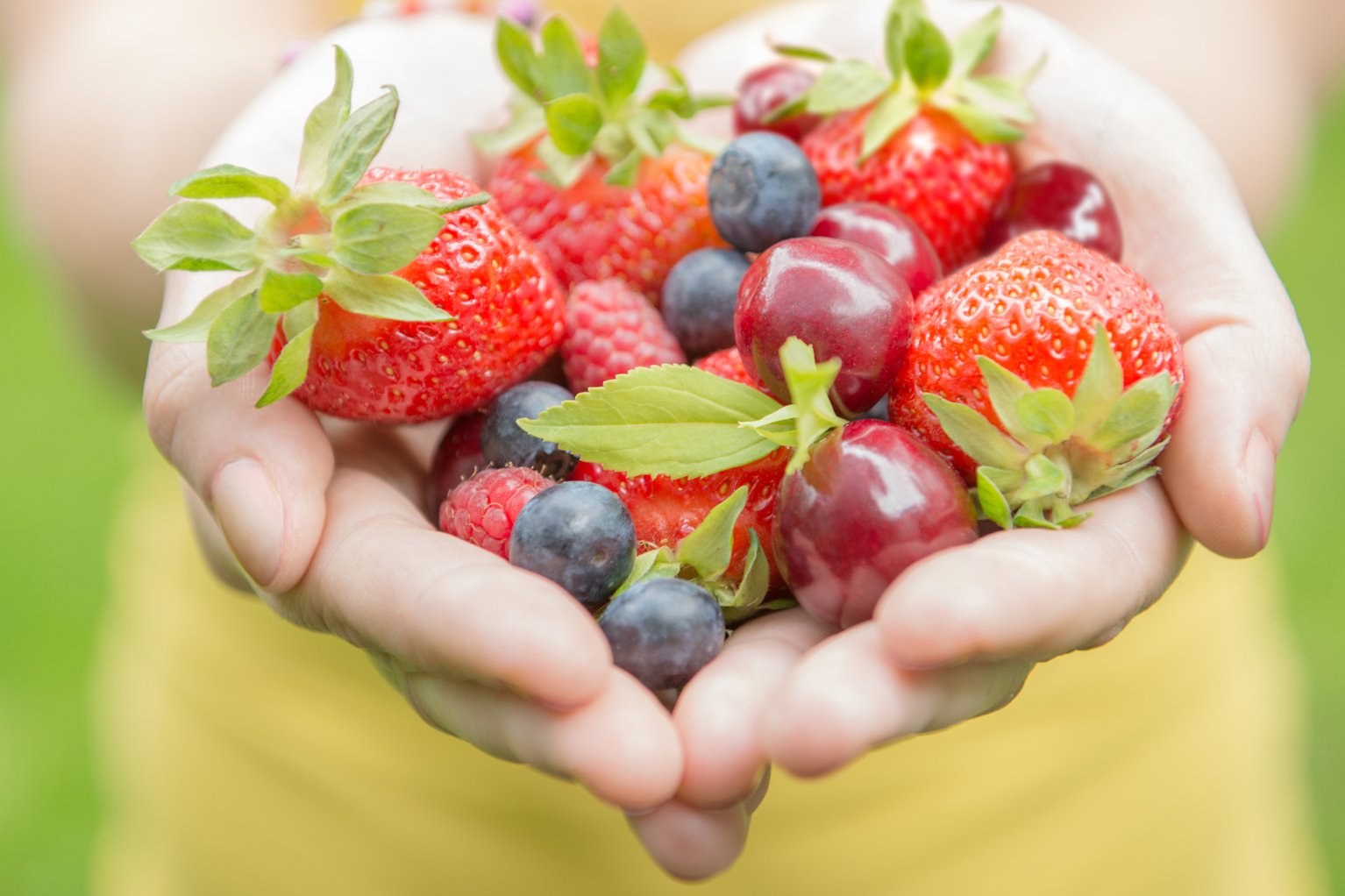
The key to a healthy diet is to eat the right amount of calories for how active you are so you balance the energy you consume with the energy you use.
If you eat or drink more than your body needs, you'll put on weight because the energy you do not use is stored as fat. If you eat and drink too little, you'll lose weight.
You should also eat a wide range of foods to make sure you're getting a balanced diet and your body is receiving all the nutrients it needs.
It's recommended that men have around 2,500 calories a day (10,500 kilojoules). Women should have around 2,000 calories a day (8,400 kilojoules).
Most adults in the UK are eating more calories than they need and should eat fewer calories.
1. Base your meals on higher fibre starchy carbohydrates:
Choose higher fibre or wholegrain varieties, such as wholewheat pasta, brown rice or potatoes with their skins on.
They contain more fibre than white or refined starchy carbohydrates and can help you feel full for longer.
Try to include at least 1 starchy food with each main meal. Some people think starchy foods are fattening, but gram for gram the carbohydrate they contain provides fewer than half the calories of fat.
Keep an eye on the fats you add when you're cooking or serving these types of foods because that's what increases the calorie content – for example, oil on chips, butter on bread and creamy sauces on pasta.
2. Eat lots of fruit and veg:
Getting your 5 A Day is easier than it sounds. Why not chop a banana over your breakfast cereal, or swap your usual mid-morning snack for a piece of fresh fruit?
A portion of fresh, canned or frozen fruit and vegetables is 80g. A portion of dried fruit (which should be kept to mealtimes) is 30g.
A 150ml glass of fruit juice, vegetable juice or smoothie also counts as 1 portion, but limit the amount you have to no more than 1 glass a day as these drinks are sugary and can damage your teeth.
3. Eat more fish, including a portion of oily fish:
Aim to eat at least 2 portions of fish a week, including at least 1 portion of oily fish.
Oily fish are high in omega-3 fats, which may help prevent heart disease.
Oily fish include:
* salmon
* trout
* herring
* sardines
* pilchards
* mackerel
* Non-oily fish include:
* haddock
* plaice
* coley
* cod
* tuna
* skate
* hake
You can choose from fresh, frozen and canned, but remember that canned and smoked fish can be high in salt.
Most people should be eating more fish, but there are recommended limits for some types of fish.
Find out more about fish and shellfish
4. Cut down on saturated fat and sugar:
There are 2 main types of fat: saturated and unsaturated. Too much saturated fat can increase the amount of cholesterol in the blood, which increases your risk of developing heart disease.
On average, men should have no more than 30g of saturated fat a day. On average, women should have no more than 20g of saturated fat a day.
Children under the age of 11 should have less saturated fat than adults, but a low-fat diet is not suitable for children under 5.
Saturated fat is found in many foods, such as:
* fatty cuts of meat
* sausages
* butter
* hard cheese
* cream
* cakes
* biscuits
* lard
* pies
Try to cut down on your saturated fat intake and choose foods that contain unsaturated fats instead, such as vegetable oils and spreads, oily fish and avocados.
For a healthier choice, use a small amount of vegetable or olive oil, or reduced-fat spread instead of butter, lard or ghee.
When you're having meat, choose lean cuts and cut off any visible fat.
All types of fat are high in energy, so they should only be eaten in small amounts.
Sugar
Sugary foods and drinks are often high in energy (measured in kilojoules or calories), and if consumed too often can contribute to weight gain. They can also cause tooth decay, especially if eaten between meals.
Free sugars are any sugars added to foods or drinks, or found naturally in honey, syrups and unsweetened fruit juices and smoothies.
This is the type of sugar you should be cutting down on, rather than the sugar found in fruit and milk.
Many packaged foods and drinks contain surprisingly high amounts of free sugars.
Free sugars are found in many foods, such as:
* sugary fizzy drinks
* sugary breakfast cereals
* cakes
* biscuits
* pastries and puddings
* sweets and chocolate
* alcoholic drinks
* Food labels can help. Use them to check how much sugar foods contain.
More than 22.5g of total sugars per 100g means the food is high in sugar, while 5g of total sugars or less per 100g means the food is low in sugar.
Get tips on cutting down on sugar in your diet
5. Eat less salt: no more than 6g a day for adults:
Even if you do not add salt to your food, you may still be eating too much.
About three-quarters of the salt you eat is already in the food when you buy it, such as breakfast cereals, soups, breads and sauces.
Use food labels to help you cut down. More than 1.5g of salt per 100g means the food is high in salt.
Adults and children aged 11 and over should eat no more than 6g of salt (about a teaspoonful) a day. Younger children should have even less.
Get tips on cutting down on salt in your diet
6. Get active and be a healthy weight:
Read more about the benefits of exercise and physical activity guidelines for adults.
Being overweight or obese can lead to health conditions, such as type 2 diabetes, certain cancers, heart disease and stroke. Being underweight could also affect your health.
Most adults need to lose weight by eating fewer calories.
If you're trying to lose weight, aim to eat less and be more active. Eating a healthy, balanced diet can help you maintain a healthy weight.
Check whether you're a healthy weight by using the BMI healthy weight calculator.
Start the NHS weight loss plan, a 12-week weight loss guide that combines advice on healthier eating and physical activity.
If you're underweight, see underweight adults. If you're worried about your weight, ask your GP or a dietitian for advice.
7. Do not get thirsty:
All non-alcoholic drinks count, but water, lower fat milk and lower sugar drinks, including tea and coffee, are healthier choices.
Try to avoid sugary soft and fizzy drinks, as they're high in calories. They're also bad for your teeth.
Even unsweetened fruit juice and smoothies are high in free sugar.
Your combined total of drinks from fruit juice, vegetable juice and smoothies should not be more than 150ml a day, which is a small glass.
Remember to drink more fluids during hot weather or while exercising.
.8. Do not skip breakfast:
Some people skip breakfast because they think it'll help them lose weight.
But a healthy breakfast high in fibre and low in fat, sugar and salt can form part of a balanced diet, and can help you get the nutrients you need for good health.
A wholegrain lower sugar cereal with semi-skimmed milk and fruit sliced over the top is a tasty and healthier breakfast.
Further information
* The Eatwell Guide can help you get the right balance of the 5 main food groups. The guide shows you how much of what you eat should come from each food group.
* Read more about eating a balanced diet and understanding calories.
Comments
Post a Comment